Website or Social Media Page? Why Your Business Needs Both

Social media pages are great for reach and engagement, but they don't replace a website. A website is fully yours, appears in Google search and AI answers, builds more trust with customers and companies, presents your services and prices in detail, measures leads accurately, and improves ad results. The best approach is both: social media to get attention, the website to convince and convert.
“I have an Instagram page with 20,000 followers and orders come in through DMs. Why do I need a website?”
A fair question, and we hear it often. Our honest answer: if the page works for you, that’s great, don’t stop it. But there are things no page can give you, and some of them can cost you a lot on the day you need them and don’t have them.
The core difference: ownership
Your page on Facebook, Instagram or TikTok isn’t yours. You are a tenant on someone else’s land, under their rules:
- The algorithm decides how many of your followers see your post, and it keeps changing.
- The account can be restricted or closed because of reports or an automated mistake.
- You don’t own your followers’ data and can’t move them.
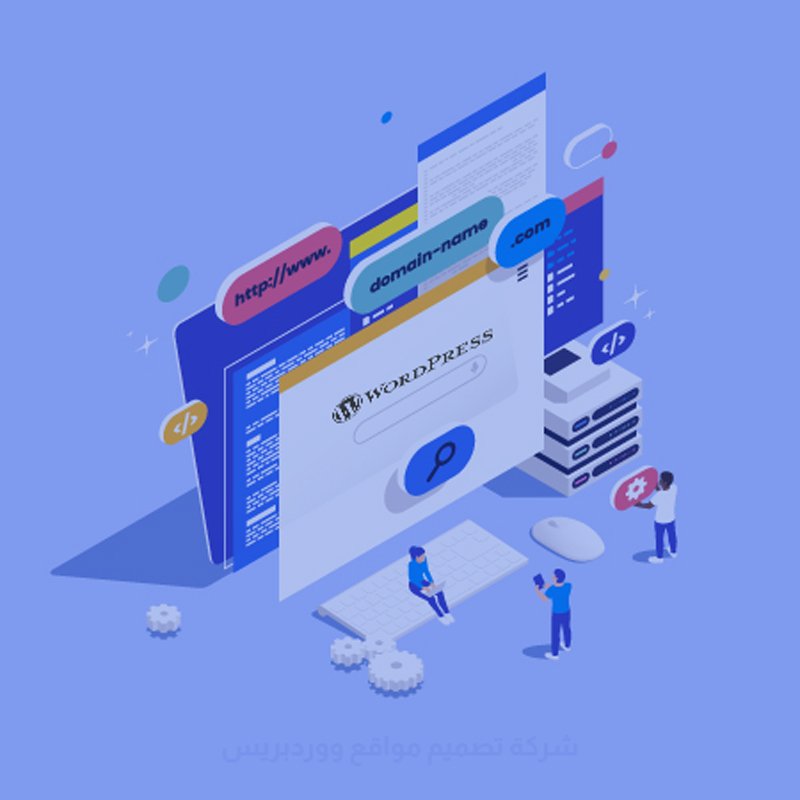
A website is on your domain, in your name, on your hosting. Nobody can shut it down or reduce its reach.
Practical comparison
| Social media page | Website | |
|---|---|---|
| Ownership | The platform’s | Yours |
| Google search visibility | Very limited | Every page is a chance to appear |
| Visibility in AI answers | Rare | Possible with structured content |
| Presenting services in detail | Scattered posts | An organized page for each service |
| Trust with companies and big clients | Medium | Higher |
| Selling and order management | Mostly manual | Automated through a store |
| Measurement | Platform stats only | Full tracking of leads and their sources |
| Reach | Fast with ads | Builds up with SEO |
| Engagement and community | Excellent | Limited |
What does a website give you that a page doesn’t?
1. Being found when the customer searches
Someone searching Google for “carpet cleaning in Amman” or “contract lawyer in Jordan” has a need right now. That is the highest buying intent there is. Instagram posts usually don’t show up for them, but a well-written service page on your website can.
2. Appearing in AI answers
More and more people ask ChatGPT or Google directly: “Who is the best company that does X in Amman?” These tools rely heavily on structured website content. Read how to appear in AI answers.
3. Trust and credibility
Many companies, procurement managers and overseas clients check the website before getting in touch. No website raises a question: is this a real, stable business?
4. Room to convince
In a post you have one image and two lines. On a website you have a full page for each service: what it includes, who it’s for, how much it costs, how long it takes, FAQs and past work. That’s what settles the decision for a hesitant customer.
5. Real measurement
On a website you know where the customer came from, which page they read and when they got in touch, and you can tie that to your ads to know which dinar brought a customer.
6. Better ads
Google Ads needs a landing page. And Meta ads usually perform better when they point to a page designed to convert, with accurate tracking. Read Landing page or full website?
When are pages enough (for now)?
- A very new project where you are testing the idea.
- A visual product bought on impulse, with a small number of orders you can handle by hand.
- A very limited budget right now.
Even then, a simple landing page or small brochure website gives you a presence on Google and an official address, at a cost starting from about JOD 250. See the cost guide.
The best strategy: both together
- Social media: for reach, engagement, community, and showing your brand’s daily life.
- The website: for convincing, converting, search visibility, measurement and managing sales.
- Linking them: your website link on all your pages, your account buttons on the website, and platform pixels on the website to retarget visitors.
If you’re ready for a website, learn about our website design service or tell us about your business and we’ll suggest the right starting point.
Frequently asked questions
Can I sell only through Instagram without a website?
At the start, yes, and many do. But as you grow, clear limits appear: managing orders by hand, depending entirely on one platform's algorithm, not showing up on Google, and difficulty measuring.
What happens if my social media account is closed?
You lose access to your followers and content immediately, and recovery can be hard or impossible. Your website and your customer list (numbers and emails) are assets you own that nobody can shut down.
Is a website expensive compared with social media?
Pages are free, but reach on them needs ads or constant effort. A website is a one-time cost with a small yearly renewal, and it keeps bringing visits from Google without paying per visit.